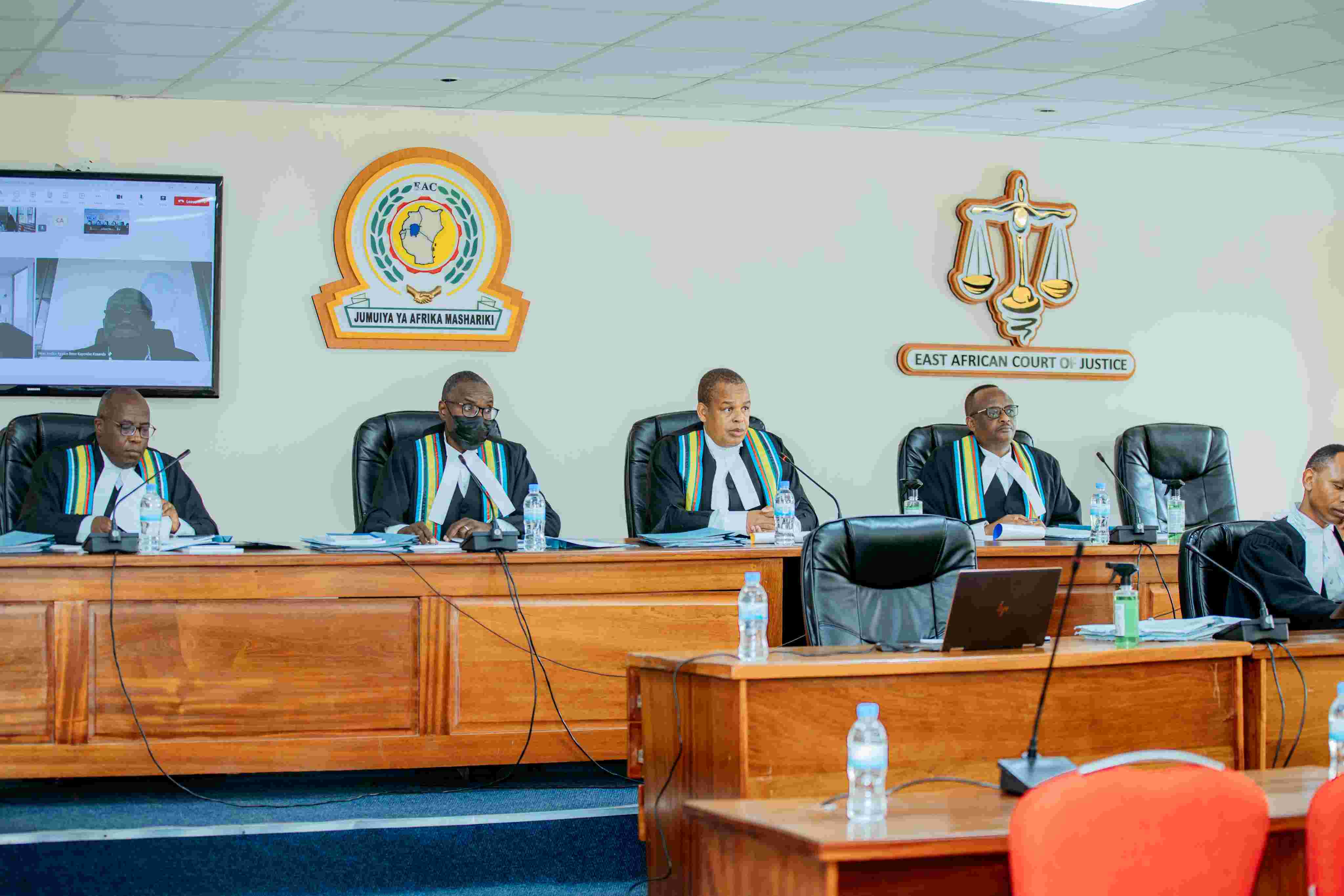
Explainer: How courts operate when the judiciary goes on recess

Kenyan courts take scheduled recesses in April, August and December, scaling down routine hearings but keeping urgent services running through duty judges and partially open registries.
Courts periodically take scheduled breaks known as vacations or recesses, usually at set times in the judicial calendar.
In Kenya and many other common-law jurisdictions, these breaks typically occur around April, August, and December.
More To Read
- Lawyer petitions CJ Koome to lift restrictions on e-filing system, cites rights violations
- Senator Sigei urges state agencies to share responsibility for protecting human rights
- Judiciary faces Sh576.6 million pending bills amid budget review
- Over 31,000 SGBV cases filed as courts improve response, Judiciary Report shows
- Top 10 counties account for 68 per cent of Kenya’s legal cases, says report
- How circuit, mobile courts expanded justice to underserved communities - report
Although regular court sittings slow down during this period, the judiciary does not shut down completely.
It is a scaled-down period focused on urgent and essential judicial services while allowing judges and staff time for rest and case management.
Court operations continue in a limited but structured manner to ensure that justice is not interrupted - especially in urgent matters.
When courts go on recess, the Chief Justice designates "vacation judges" or "duty judges" for each station and division.
These judges handle urgent applications that cannot wait for the end of the recess. Their primary role is to ensure that parties with critical or time-sensitive issues still have access to justice.
Matters commonly heard during recess include bail applications, habeas corpus petitions, injunctions, certification of urgency, and cases involving imminent risk, such as eviction, violation of rights, or destruction of property.
While urgent matters proceed, ordinary hearings, full trials, and routine mentions are usually paused until the court resumes normal operations.
The registry, however, remains partially open. Litigants can file documents, pay fees, or seek administrative assistance, although staff operate with reduced numbers.
The registry also screens applications to determine whether they require immediate attention by the vacation judge or can be scheduled for a hearing after recess.
Sometimes, courts deliver judgments or rulings that were already prepared before recess, but they rarely begin new hearings unless the nature of the case demands immediate intervention.
Lawyers and litigants may also use this period to prepare filings, negotiate settlements, or comply with pre-trial directions issued earlier in the year.
In criminal cases, the recess does not halt the rights of accused persons. For instance, suspects must still be presented in court within the constitutionally mandated timelines.
Duty courts continue to process such matters, especially in stations with heavy caseloads.
In the High Court, constitutional petitions raising urgent human rights concerns can also be filed and heard during recess.
By the end of the recess period, all divisions and stations resume full operations. Pending matters continue from where they left off, and new dates are allocated for hearings and mentions.
The December 2025 recess ends mid-January 2026.
Top Stories Today